Mattress Materials & Sleep
What Defines a Luxury Mattress? Materials, Support, and Longevity
A luxury mattress is more than a prestigious label or a striking price tag. Its character comes from the materials inside, the way its layers work together, the support it gives your body, and how well it holds up through years of use. Understanding those details makes it easier to judge whether a mattress is genuinely suited to you—not simply presented as a premium choice.
At first touch, two high-end mattresses can feel worlds apart. One may have a plush, gently yielding surface; another can feel taut and buoyant, with a more immediate sense of lift. Neither sensation automatically signals superior quality. A mattress’s comfort depends on the combination of its comfort layers and support system, as well as your body, preferred sleep position, and sensitivity to warmth or pressure.
That is why conversations about luxury mattresses often turn to particulars: natural fillings, spring construction, upholstery, edge support, craftsmanship, and care. Options such as Vispring are often discussed in this context because the category includes mattresses built around layered materials and carefully considered construction. The useful question is not whether a name sounds luxurious, but what the mattress is made of, how it is assembled, and whether its feel fits the person who will sleep on it.
A closer look can also set sensible expectations. Premium materials may contribute to breathability, resilience, or a distinctive hand-feel, but no single filling guarantees cool sleep, pain relief, or a longer lifespan. Those outcomes depend on the complete design and on how the mattress is used and maintained.
Luxury is a construction story, not just a price
There is no universal definition of a luxury mattress. The label is not a standardized measure of comfort or durability, and it does not tell you how a bed will feel after a full night. In practice, the term usually points to a mix of material quality, detailed construction, a considered finish, and a level of support or customization that a maker has chosen to emphasize.
Construction matters because a mattress is a system. Its cover, comfort layers, transition materials, and support core each have a role. A soft top layer may ease initial pressure, while deeper layers help distribute weight and keep the sleeper from sinking too far. A spring unit may add responsive support and airflow; other core materials may create a more uniform or contouring feel. The balance between these parts is what shapes the experience.
Some makers use hand-tufting or other finishing methods to help hold layered materials in place. This can be a meaningful construction detail, but it is not a shortcut to predicting comfort. Likewise, a thick profile or a long list of materials may look impressive without answering the practical questions: Does the bed keep your spine in a comfortable position? Does it feel right in your usual sleeping posture? Can you turn easily? Do you and a partner disturb one another?
Approach the word “luxury” as an invitation to investigate. Ask for a clear description of the layers and core, the firmness options, the care instructions, and the warranty terms. The more specific the answers, the easier it is to compare mattresses on evidence rather than atmosphere.
Natural fillings: feel, breathability, and trade-offs
Natural fillings are a familiar feature in many premium mattress designs. Depending on the model, these may include materials such as wool, cotton, silk, or other fibers. Each has its own texture and behavior, and the name of a material alone does not establish how much is used, where it sits in the mattress, or how it affects the finished feel.
Wool, for example, can add a springy, cushioned layer and is often valued for its ability to manage moisture. Cotton can contribute a soft, familiar surface character. Other fibers may be selected for smoothness, resilience, or a particular feel under the cover. In a layered mattress, these materials work alongside the core and other upholstery rather than acting independently.
Natural fillings may appeal to sleepers who prefer materials with a less synthetic feel, but “natural” is not a promise of perfect temperature control or universal comfort. A sleeper’s room climate, bedding, pajamas, body temperature, and mattress cover all influence how warm the bed feels. Even a breathable filling cannot remove every source of heat retention if the full construction or surrounding sleep setup does not suit the person.
Ask for details that put material claims in context. What is the filling, and how is it layered? Is it blended with other fibers? What should you expect from its feel as it settles with use? Are there special care requirements? Clear answers help distinguish a thoughtfully described mattress from one relying on broad claims about purity or performance.
- Look beyond the material name: placement and quantity can influence feel as much as the fiber itself.
- Consider your sleep temperature: assess the whole mattress and bedding setup, not just one layer.
- Check the care guidance: some constructions have specific instructions for rotation, protection, or cleaning.
Support is personal—and more than firmness
Firmness is one of the first things people notice, but it is only part of mattress support. Firmness describes the surface impression: how soft or firm the bed feels when you lie down. Support is about how the mattress responds under your body and whether it helps you rest in a comfortable, sustainable position.
A very firm mattress is not automatically more supportive, and a plush mattress is not automatically too soft. Body shape, weight distribution, and sleeping posture all affect how a given surface feels. A side sleeper may be especially aware of pressure at the shoulder and hip. Someone who sleeps on their back may care more about balanced support across the torso and lower body. Stomach sleepers often need to pay attention to whether the midsection sinks more than they find comfortable.
Comfort is also dynamic. You may shift positions during the night, and the best match should allow movement without creating uncomfortable pressure or a trapped sensation. For couples, one person’s ideal firmness can differ from the other’s, making independent comfort preferences and motion transfer important topics to investigate.
When trying a mattress, take time to lie in the positions you normally use. Notice whether your shoulder or hip feels compressed, whether your lower back feels unsupported, and whether changing position takes effort. A brief sit or press on the showroom surface cannot replicate a night’s sleep. If testing in person, spend several minutes in each usual position and ask about the trial or return policy before making a decision.
People with persistent pain or a diagnosed health condition should be cautious about treating a mattress as a medical solution. A bed can influence comfort, but marketing claims about alignment or relief are not a substitute for individualized medical advice. Focus on how the mattress feels to you and seek clinical guidance when symptoms warrant it.
What spring construction can contribute
Many luxury mattresses use a spring-based support core, sometimes paired with several layers of upholstery. Spring systems can differ in design, arrangement, and how they respond to weight. A carefully engineered system may provide a lively, responsive feel and help distribute support across the sleeping surface. In some designs, individual springs are arranged to respond more independently; in others, the support system may feel more connected.
These differences can influence motion isolation, edge stability, and the sensation of support, but there is no single spring format that is best for everyone. A responsive mattress may make turning easier, while a more contouring surface may appeal to someone who wants a gentler cradle. Neither description predicts your experience without considering the upholstery layers and the way the mattress is built as a whole.
When comparing options such as Vispring, focus on the particular model’s specifications rather than assuming every mattress in a named range feels alike. Ask what the spring system is designed to do, how the comfort layers change its feel, and whether the construction is compatible with your bed base. A detailed explanation should connect design choices to practical differences, not just use technical language.
The bed base is part of the equation
A mattress does not perform in isolation. The foundation beneath it can affect stability, ventilation, and how evenly the mattress is supported. Before choosing a premium model, review the manufacturer’s base requirements. Some mattresses are intended for particular foundation types, while others may work on a platform or slatted frame if the spacing and construction meet the stated requirements.
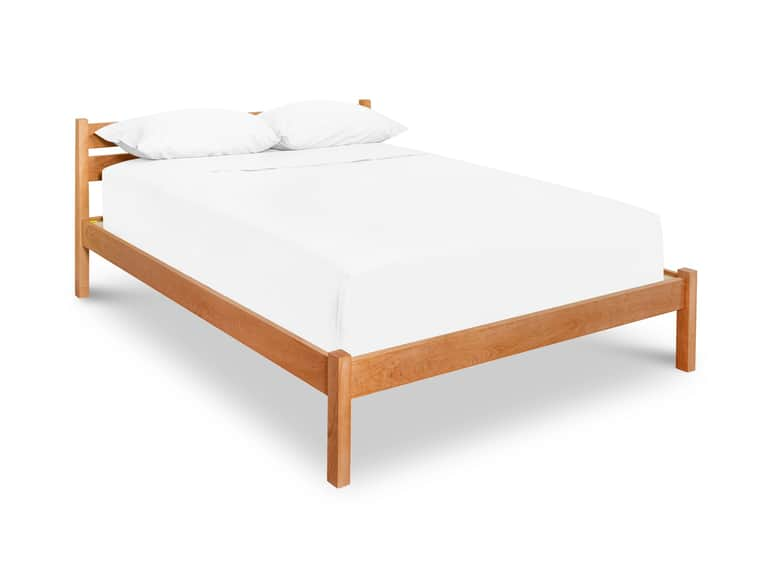
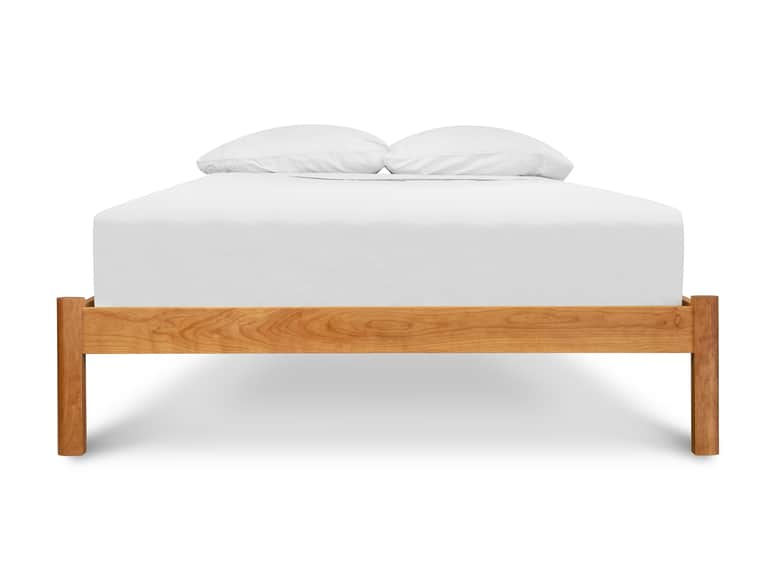
For example, the Heartwood Shaker Studio-Style Platform Bed is a solid-hardwood platform bed handcrafted to order in Vermont. Its straightforward profile and oil finish make it a bedroom foundation option, but any specific mattress should still be checked for compatibility with the frame’s support design. A well-made bed frame cannot compensate for a mattress placed on an unsuitable base.
Check the frame’s weight capacity, size, slat spacing, center support, and any requirements for a foundation. Also consider room access and assembly: a substantial mattress and a solid frame may be difficult to maneuver through narrow stairs or doorways. These practical details are easy to overlook when attention is focused on materials and comfort, yet they affect everyday use from the first delivery onward.
Longevity: what durability really means
A long-lasting mattress is not simply one that retains its shape. It should continue to feel reasonably comfortable and supportive under normal use, while its materials and construction remain fit for purpose. Even a carefully made bed will change with time: comfort layers can compress, fabrics can show wear, and the sleeping surface may respond differently after years of regular use.
Durability depends on multiple factors, including the materials, the way layers are secured, the sleeper’s body and habits, the base beneath the mattress, and the care it receives. A higher price may reflect detailed craftsmanship or selected materials, but price alone is not a lifespan guarantee. Read warranty coverage closely: a warranty may address specific defects and conditions, but it is not necessarily a promise that the mattress will feel new for a particular number of years.
Protective bedding can help keep a mattress cleaner, while following the maker’s instructions can prevent avoidable damage. Some mattresses may need rotating at intervals; others may not be designed to be flipped. Never assume the care routine is the same across brands or models. Use the product’s own guidance for cleaning, rotation, and protection, and avoid methods the manufacturer advises against.
Signs that a mattress may no longer be serving you include persistent discomfort on waking, noticeable sagging, or a substantial change in support. Those signs do not prove that the mattress is the only cause of poor sleep, but they can prompt a closer look at the bed and the broader sleep environment.
How to compare luxury mattresses thoughtfully
Comparing mattresses is easier when you move from abstract claims to a consistent set of questions. Keep notes on the model, stated firmness, materials, support design, care, and warranty. Then compare the answers against your own needs rather than trying to identify a universal winner.
- Start with your sleep habits. Note your usual position, whether you tend to sleep warm, and any areas where you often feel pressure.
- Ask for the layer-by-layer construction. Understand what is in the cover, comfort layers, and support core, and how each part contributes to the feel.
- Test the mattress in context. Lie down in your normal positions and take enough time to notice pressure, movement, and ease of turning.
- Check the base requirements. Confirm that your frame or foundation is suitable before arranging delivery.
- Read the terms carefully. Review trial periods, delivery, return conditions, care instructions, and warranty exclusions.
- Allow for adjustment. A new sleep surface can feel unfamiliar at first; understand the maker’s guidance and the relevant trial policy before deciding how to evaluate it.
For Massachusetts residents, delivery logistics can be as important as the mattress specification. Confirm that the delivery route, timing, removal arrangements, and any setup service are clear—especially in older homes, apartments, or buildings with narrow staircases. Ask what happens if the mattress cannot be brought to the intended room and whether packaging removal is included. These questions are not glamorous, but they can prevent an avoidable surprise.
Common luxury mattress myths
“More expensive means more comfortable.”
Comfort is individual. A premium mattress may use carefully selected materials or more elaborate construction, but that does not make it the right firmness or feel for every sleeper. Personal fit matters more than prestige.
“Natural fillings always sleep cooler.”
Materials can influence airflow and moisture handling, but temperature depends on the full mattress, bedding, room, and sleeper. Evaluate the complete setup rather than relying on a single material claim.
“The firmest mattress gives the best support.”
Firmness and support are related but not interchangeable. A bed can feel firm yet fail to suit your pressure needs, while a softer surface can still provide a comfortable, supportive experience for another person.
“A luxury mattress never needs care.”
Care remains important. A protector, appropriate foundation, and manufacturer-approved cleaning or rotation routine can help preserve the mattress. Luxury materials do not make a bed immune to wear or damage.
A considered purchase, not a status symbol
The most useful way to define a luxury mattress is through its details. Materials tell part of the story; construction explains how those materials are arranged; support describes how the whole system responds to your body; and care expectations shape how it may serve you over time. Natural fillings and sophisticated spring systems can be meaningful features, but their value depends on whether their feel and upkeep suit your preferences.
Whether you are exploring Vispring or comparing other high-end options, take the time to ask precise questions and try the mattress in your usual sleep positions. Look for transparent descriptions, realistic guidance, and clear terms. A thoughtful choice is not the one with the most elaborate label. It is the one that feels comfortable, works with your bed base, suits your daily routine, and gives you confidence about what to expect after the first night.
Quick checklist before you decide
- Does the mattress feel comfortable in your usual sleeping positions?
- Can the maker explain its materials and construction clearly?
- Does the support feel balanced for your body, rather than simply firm or soft?
- Are the mattress and your existing frame or foundation compatible?
- Do you understand the care instructions, delivery details, trial policy, and warranty limits?